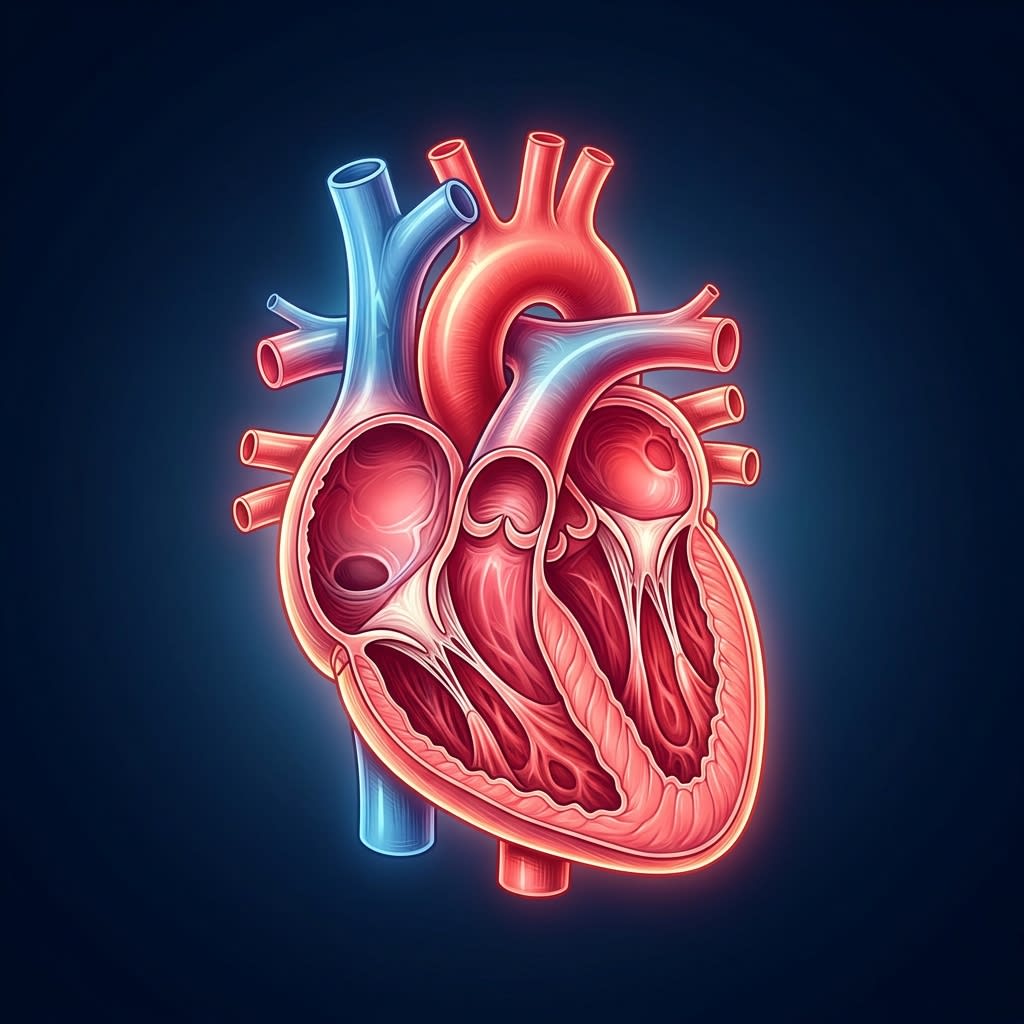


Are work pressure, sleepless nights, constant anxiety, and hormonal imbalances silently affecting your reproductive health?
If you or your partner have been trying to conceive without success, you have probably wondered: Is stress the reason we haven't gotten pregnant?
The short answer: Chronic stress and poor sleep certainly influence menstrual regularity, ovulation, libido, and sperm quality. However, stress is NOT the only cause of infertility—and it is rarely the sole explanation.
Difficulty conceiving is frequently associated with treatable underlying medical conditions, such as Polycystic Ovary Syndrome (PCOS), thyroid disorders, hyperprolactinaemia, tubal factors, or male reproductive abnormalities. Blaming everything on stress risks delaying essential medical evaluation.
🩺 Key Clinical Takeaway: Stress does not automatically cause permanent infertility. However, unrelenting stress alters your body's neuroendocrine balance. A structured fertility assessment combines clinical history with targeted laboratory blood tests to separate psychological stress from treatable hormonal or anatomical conditions.
🔬 Quick Answer: How Does Stress Influence Fertility?#
- The Biological Pathway: Chronic stress activates the Hypothalamic–Pituitary–Adrenal (HPA) axis, flooding the body with cortisol and corticotropin-releasing hormone (CRH).
- The Reproductive Consequence: High cortisol suppresses the Hypothalamic–Pituitary–Gonadal (HPG) axis, disrupting pulsatile secretion of Gonadotropin-Releasing Hormone (GnRH).
- In Women: Disrupted GnRH reduces Follicle-Stimulating Hormone (FSH) and Luteinizing Hormone (LH), leading to delayed ovulation, irregular menstrual cycles, luteal phase defects, or hypothalamic amenorrhoea.
- In Men: Elevated cortisol blunts testosterone synthesis in testicular Leydig cells and increases oxidative stress, impairing sperm concentration, motility, and normal morphology.
- Diagnostic Rule: Never assume infertility is purely psychological. Routine blood tests (TSH, Prolactin, FSH, LH, AMH, Testosterone) and a comprehensive Semen Analysis are essential first steps.
🚨 6 Warning Signs You Shouldn't Ignore#
While occasional work deadlines or temporary emotional tension will not shut down reproduction, chronic prolonged stress accompanied by physical symptoms warrants attention:
- Irregular, Delayed, or Absent Periods: Menstrual cycles shorter than 21 days, longer than 35 days, or completely missing for several months (oligomenorrhoea or hypothalamic amenorrhoea).
- Persistent Fatigue & Fragmented Sleep: Waking up exhausted despite 8 hours in bed, nocturnal insomnia, or early morning awakening driven by dysregulated cortisol surges.
- Acne, Facial Hair Growth, or Unexplained Weight Gain: Physical signs of excess circulating androgens or insulin resistance, characteristic of Polycystic Ovary Syndrome (PCOS).
- Reduced Libido or Sexual Difficulties: Decreased sexual desire, vaginal dryness, or erectile difficulty caused by lower bioavailable sex steroids and autonomic sympathetic dominance.
- Difficulty Conceiving After Timed Intercourse: Inability to achieve clinical pregnancy after 12 months of regular, unprotected intercourse (or 6 months if the female partner is aged 35 or older).
- Symptoms of Thyroid Disorders: Extreme cold sensitivity, sluggish digestion, hair thinning, or unexplained weight changes that mimic or compound chronic stress.
🧬 The Neuroendocrine Connection: How Cortisol Suppresses Reproduction#
To understand why chronic stress affects fertility, look at human evolutionary biology. In prehistoric times, stress signaled physical peril—famine, predator threats, or severe environmental hardship. During acute peril, carrying a pregnancy or expending metabolic resources on gamete production would be biologically maladaptive.
The human body evolved a protective physiological mechanism: when the survival axis (HPA axis) is on high alert, the reproductive axis (HPG axis) is deliberately down-regulated.
                     ┌───────────────────────────────┐
                     │    CHRONIC EMOTIONAL STRESS   │
                     └───────────────┬───────────────┘
                                     │
                                     ▼
                     ┌───────────────────────────────┐
                     │     Hypothalamus: CRH Rise    │
                     └───────────────┬───────────────┘
                                     │
                                     ▼
                     ┌───────────────────────────────┐
                     │   Anterior Pituitary: ACTH    │
                     └───────────────┬───────────────┘
                                     │
                                     ▼
                     ┌───────────────────────────────┐
                     │     Adrenal Gland: Cortisol   │
                     └───────────────┬───────────────┘
                                     │
              ┌──────────────────────┴──────────────────────┐
              ▼                                             ▼
┌───────────────────────────────┐             ┌───────────────────────────────┐
│     FEMALE REPRODUCTIVE       │             │      MALE REPRODUCTIVE        │
│   • Blunted GnRH Pulsatility  │             │   • Leydig Cell Suppression   │
│   • Suppressed LH Surge       │             │   • Reduced Testosterone      │
│   • Anovulation / Luteal Defect│             │   • Impaired Spermatogenesis  │
└───────────────────────────────┘             └───────────────────────────────┘
- Hypothalamic Suppression: High cortisol inhibits the pulsatile frequency of GnRH release from the arcuate nucleus.
- Pituitary Blunting: Without optimal GnRH pulses, the anterior pituitary cannot generate the sharp mid-cycle LH surge required to trigger follicle rupture and egg release.
- Progesterone Deficiency: Even if ovulation occurs, suboptimal LH secretion can lead to a deficient corpus luteum, producing insufficient progesterone to support embryo implantation in the endometrium.
👩 Essential Laboratory Tests for Women#
A structured female fertility workup evaluates ovarian reserve, ovulatory function, and systemic endocrine regulators:
| Laboratory Investigation | Optimal Testing Timing | Clinical Rationale |
|---|---|---|
| TSH & Free T4 | Any day, morning draw | Even subclinical hypothyroidism (TSH > 2.5–4.0 µIU/mL) can cause anovulation and early pregnancy loss. |
| Serum Prolactin | Fasting morning, resting | Stress or pituitary microadenomas elevate prolactin, directly shutting off GnRH and preventing ovulation. |
| FSH & LH | Day 2 to Day 3 of menstrual cycle | Baseline pituitary gonadotropins assess ovarian responsiveness and help differentiate hypothalamic amenorrhoea from PCOS (LH:FSH ratio). |
| Serum Estradiol (E2) | Day 2 to Day 3 of menstrual cycle | Baseline estrogen ensures the pituitary FSH reading is accurate (high E2 can falsely suppress FSH). |
| Mid-Luteal Progesterone | Day 21 (or 7 days post-ovulation) | Serum progesterone > 10 ng/mL confirms that spontaneous ovulation occurred and the luteal phase is adequate. |
| Anti-Müllerian Hormone (AMH) | Any day of menstrual cycle | Directly reflects the remaining primordial ovarian follicle pool (ovarian reserve); completely unaffected by cycle day. |
| Beta-hCG (Quantitative) | When menses are delayed | Confirms or excludes pregnancy, ensuring no early ectopic or biochemical pregnancy is missed. |
👨 Essential Laboratory Tests for Men#
Male factor subfertility contributes to approximately 40% to 50% of all infertility cases, yet men are frequently evaluated late. Chronic psychological stress, smoking, and sleep apnea impair sperm parameters:
| Laboratory Investigation | Testing Protocol | Clinical Rationale |
|---|---|---|
| Comprehensive Semen Analysis | 2 to 5 days of sexual abstinence | Evaluates semen volume, sperm concentration (>15 million/mL), total motility (>40%), progressive motility (>32%), and strict Kruger morphology (>4% normal forms) as per WHO 6th Edition criteria. |
| Morning Total & Free Testosterone | Drawn between 8:00 AM and 10:00 AM | Measures circadian peak androgen levels. Stress and lack of sleep drastically lower morning testosterone production. |
| Serum FSH & LH | Morning draw | Distinguishes primary testicular failure (high FSH/LH with low testosterone) from secondary pituitary hypogonadism (low or normal FSH/LH with low testosterone). |
| Serum Prolactin | Morning draw | Elevated prolactin in men suppresses testosterone, causes erectile dysfunction, and blunts spermatogenesis. |
🩸 Crucial Metabolic & Nutritional Co-factors#
Fertility depends heavily on cellular energy balance, micronutrient sufficiency, and systemic insulin sensitivity:
- HbA1c & Fasting Insulin (HOMA-IR): Insulin resistance is the central biochemical driver of PCOS, causing ovarian theca cells to overproduce androgens and halt follicular maturation.
- Complete Blood Count (CBC) & Serum Ferritin: Cellular iron deficiency (ferritin < 30 ng/mL), even without overt anaemia, impairs ovulatory efficiency and cellular oxygen delivery.
- Vitamin D (25-OH): Vitamin D receptors are present in the ovaries, endometrium, and testes. Low vitamin D (<20 ng/mL) correlates with poor IVF outcomes, insulin resistance in PCOS, and reduced sperm motility.
- Vitamin B12 & Serum Folate: Essential cofactors for DNA synthesis during rapid cellular division in gametogenesis and early embryonic cleavage.
🌿 5 Evidence-Based Habits That Support Reproductive Health#
Medical treatments and lifestyle modifications work synergistically. Implementing foundational healthy habits restores autonomic and hormonal balance:
- Prioritise 7 to 9 Hours of Sleep: Melatonin is not just a sleep hormone—it is a potent intra-follicular antioxidant that protects developing oocytes from oxidative stress during maturation.
- Targeted Stress & Vagal Modulation: 15 to 20 minutes daily of slow diaphragmatic breathing (4-7-8 technique), progressive muscle relaxation, or mindfulness reduces sympathetic tone and lowers nocturnal cortisol spikes.
- Nutritious Anti-Inflammatory Diet: Follow a Mediterranean dietary pattern rich in colourful vegetables, legumes, whole grains, nuts, cold-pressed olive oil, and omega-3 fatty acids from fish or algae. Minimize ultra-processed foods, trans fats, and excess refined sugar.
- Moderate, Consistent Physical Activity: 30 minutes of brisk walking, swimming, or moderate strength training 4 to 5 days a week improves insulin sensitivity. Caution: Avoid extreme exhaustive endurance training (>60 minutes of high-intensity training daily), which spikes cortisol and can trigger hypothalamic anovulation.
- Seek Timely Medical & Diagnostic Advice: If pregnancy has not occurred within 12 months (or 6 months if aged 35+), schedule a consultation with a reproductive medicine specialist or gynaecologist.
💡 Remember: Don't Blame Everything on Stress#
One of the most damaging pieces of advice couples receive is: "Just relax and go on a vacation, and it will happen."
While stress reduction improves well-being and libido, it cannot unblock fallopian tubes, correct severe male oligospermia, resolve advanced endometriosis, or reverse diminished ovarian reserve.
Understand your symptoms. Identify the biological causes. Make informed health decisions backed by verified laboratory diagnostic data.
📱 10-Slide Visual Infographic Carousel Guide#

<!-- slide -->
**Slide 1 — Can Chronic Stress Affect Your Fertility?**
*Visual:* Thoughtful couple with visual medical icons depicting brain, hormonal pathways, and reproductive organs.
*Core Message:* Stress may influence reproductive health, but it is not the only cause. Learn how chronic stress interacts with hormones and when to seek testing.
<!-- slide -->
**Slide 2 — The Stress–Fertility Axis**
*Visual:* Diagram tracing stress from the hypothalamus (CRH) to pituitary (ACTH) to adrenal glands (Cortisol), suppressing GnRH.
*Core Message:* Unrelenting stress triggers cortisol release, which can disrupt the delicate hormonal balance governing ovulation and sperm production.
<!-- slide -->
**Slide 3 — Six Warning Signs You Shouldn't Ignore**
*Visual:* Checklist highlighting irregular cycles, fatigue, acne/hirsutism, reduced libido, difficulty conceiving, and thyroid symptoms.
*Core Message:* Physical warning signs suggest an underlying hormonal disturbance that requires medical investigation rather than assuming stress is the only factor.
<!-- slide -->
**Slide 4 — Essential Blood Tests for Women**
*Visual:* Laboratory tubes with female hormone markers: TSH, Free T4, Prolactin, FSH, LH, Estradiol, Progesterone, and AMH.
*Core Message:* Key blood tests evaluate thyroid balance, prolactin levels, baseline ovarian function, ovulation confirmation, and ovarian reserve.
<!-- slide -->
**Slide 5 — Essential Fertility Tests for Men**
*Visual:* Semen analysis criteria (concentration, motility, morphology) and male hormone testing (Morning Testosterone, FSH, LH, Prolactin).
*Core Message:* Male reproductive health contributes to nearly half of all fertility challenges. Semen analysis and hormonal checks provide vital answers.
<!-- slide -->
**Slide 6 — Crucial Metabolic & Nutritional Co-factors**
*Visual:* Infographic of HbA1c, Fasting Blood Glucose, CBC, Ferritin, Vitamin B12, and Vitamin D.
*Core Message:* Insulin resistance, subclinical anaemia, and vitamin deficiencies directly influence egg quality, endometrial receptivity, and sperm health.
<!-- slide -->
**Slide 7 — When Should You Consult a Doctor?**
*Visual:* Calendar timeline: 12 months of trying for women under 35; 6 months for women aged 35 and older.
*Core Message:* Timely medical assessment prevents unnecessary delays in diagnosing treatable reproductive conditions.
<!-- slide -->
**Slide 8 — Five Habits That Support Reproductive Health**
*Visual:* Icons representing 7–9 hours sleep, stress modulation, balanced Mediterranean nutrition, moderate exercise, and clinical guidance.
*Core Message:* Daily lifestyle foundations enhance hormonal regulation, gamete quality, and overall reproductive well-being.
<!-- slide -->
**Slide 9 — Why You Shouldn't Blame Everything on Stress**
*Visual:* Scale balancing psychological stress against medical conditions (PCOS, thyroid disease, tubal factors, sperm abnormalities).
*Core Message:* Stress does not automatically cause infertility. Treatable medical conditions require objective laboratory evaluation.
<!-- slide -->
**Slide 10 — Comprehensive Fertility Testing at QXL Diagnostics**
*Visual:* NABL-accredited laboratory setting with automated chemiluminescence analyzers and phlebotomy team.
*Core Message:* QXL Diagnostics Bengaluru offers doctor-reviewed hormonal, metabolic, and semen analysis testing with convenient home sample collection.
❓ Frequently Asked Questions (FAQs)#
1. Can emotional stress completely prevent ovulation?#
Yes, severe acute or chronic stress can cause functional hypothalamic anovulation. When cortisol and corticotropin-releasing hormone (CRH) remain elevated, they suppress GnRH pulses, preventing the pituitary from releasing enough LH to trigger ovulation.
2. Does high cortisol directly harm sperm quality?#
Yes. Persistently elevated cortisol inhibits testosterone production by testicular Leydig cells. It also increases systemic oxidative stress, which damages sperm cell membranes and induces DNA fragmentation, lowering motility and morphology.
3. What is the single most important fertility blood test for women?#
There is no single test. An Anti-Müllerian Hormone (AMH) test measures ovarian reserve, while a Day 2/3 FSH, LH, Estradiol panel evaluates ovarian responsiveness, and Day 21 Progesterone confirms ovulation. Together with TSH and Prolactin, they provide a complete picture.
4. What is Anti-Müllerian Hormone (AMH) and when should it be tested?#
AMH is produced by small growing follicles in the ovaries and serves as a reliable marker of ovarian reserve. Unlike FSH and LH, AMH remains relatively stable throughout the menstrual cycle and can be tested on any day.
5. Why is a semen analysis necessary if the female partner has irregular periods?#
Infertility is a couple's journey. Male factor abnormalities contribute to approximately 40% to 50% of fertility challenges. Evaluating both partners simultaneously prevents months of delayed diagnosis and ensures a comprehensive treatment plan.
6. Can thyroid problems masquerade as stress-related infertility?#
Yes. Both hypothyroidism and hyperthyroidism disrupt normal menstrual cycles, impair ovulation, and cause fatigue and mood changes. A simple TSH and Free T4 blood test can confirm whether symptoms are thyroid-driven.
7. How does Polycystic Ovary Syndrome (PCOS) relate to stress?#
Women with PCOS often experience elevated baseline sympathetic activity and cortisol reactivity. Concurrently, insulin resistance and androgen excess prevent regular ovulation. Laboratory testing (FSH, LH, Total Testosterone, DHEAS, Fasting Insulin, and HbA1c) clarifies the diagnosis.
8. Does a normal semen analysis mean male fertility is 100% fine?#
A standard semen analysis confirms normal sperm count, motility, and morphology. However, in cases of unexplained recurrent pregnancy loss or failed conception, advanced tests such as Sperm DNA Fragmentation Index (DFI) may be recommended by a urologist or reproductive specialist.
9. Can taking Vitamin D supplements improve fertility?#
If you are deficient (serum 25-OH Vitamin D < 20 ng/mL), clinical studies indicate that correcting the deficiency improves follicular development, endometrial receptivity, and sperm parameters. However, supplementation should always be guided by laboratory measurement.
10. Does QXL Diagnostics offer home blood collection for fertility hormone tests?#
Yes. QXL Diagnostics provides temperature-controlled home blood collection across 60+ Bengaluru localities. Hormone samples are processed at our central NABL-accredited reference laboratory (MC-6849) using high-precision automated chemiluminescence immunoassay (CLIA) platforms.
🏥 Reproductive & Endocrine Diagnostic Testing at QXL Diagnostics, Bengaluru#
Accurate laboratory testing provides clear answers, removing the uncertainty of unverified assumptions.
QXL Diagnostics Super Speciality Reference Laboratory offers comprehensive, doctor-reviewed reproductive evaluations:
-
Female Fertility & Hormone Panel: AMH, TSH, Free T4, Prolactin, FSH, LH, Estradiol, Progesterone, and Quantitative Beta-hCG
-
Male Fertility & Hormone Panel: Comprehensive Semen Analysis (WHO criteria), Morning Total & Free Testosterone, FSH, LH, and Prolactin
-
Metabolic & Nutritional Assessment: HbA1c, Fasting Blood Glucose, Fasting Insulin, Vitamin D (25-OH), Vitamin B12, CBC, and Serum Ferritin
-
Home Sample Collection: Trained phlebotomy specialists provide cold-chain specimen collection across 60+ Bengaluru localities.
-
Central Reference Laboratory: 3rd Floor, SLN Complex, Mysore Road, Kengeri, Bengaluru 560060
-
North Hub: Galleria Mall, Yelahanka, Bengaluru 560064
-
Direct Helpline / WhatsApp: +91 9964 639 639
-
Online Booking: Fertility Blood Tests in Bangalore
📚 Scientific References#
- Practice Committee of the American Society for Reproductive Medicine (ASRM). Diagnostic evaluation of the infertile male: a committee opinion. Fertility and Sterility. 2015;103(3):e18–e25. https://doi.org/10.1016/j.fertnstert.2014.12.103
- Practice Committee of the American Society for Reproductive Medicine (ASRM). Testing and interpreting measures of ovarian reserve: a committee opinion. Fertility and Sterility. 2020;114(6):1151–1157. https://doi.org/10.1016/j.fertnstert.2020.09.134
- World Health Organization. WHO laboratory manual for the examination and processing of human semen, sixth edition. Geneva: World Health Organization; 2021.
- Berga SL, Loucks TL. Use of cognitive behavior therapy for functional hypothalamic amenorrhea. Annals of the New York Academy of Sciences. 2006;1092(1):342–349. https://doi.org/10.1196/annals.1365.031
- Palomba S, et al. Physical activity and female fertility: a modern perspective. Human Reproduction Update. 2018;24(6):733–748. https://doi.org/10.1093/humupd/dmy027
Medical & Laboratory Disclaimer
This clinical article is published solely for patient education and informational purposes. It does not replace personal medical advice, clinical diagnosis, prenatal genetic counselling, or obstetric supervision. Appropriate laboratory investigations must be determined by your treating physician based on your personal health history.
Dr. Shantakumar Muruda, MD (Biochemistry)
Head of Clinical Biochemistry & Quality Management, QXL Diagnostics Bengaluru (NABL Accredited Laboratory MC-6849). Trained Lead Assessor for ISO 15189:2022 medical laboratory standards.
QXL Clinical Editorial Commitment: Every health guide, biomarker explanation, and screening schedule published on this portal undergoes rigorous clinical review by qualified MD pathologists and biochemists to ensure adherence to peer-reviewed evidence (ACOG, WHO, ICMR) and laboratory diagnostic accuracy.